
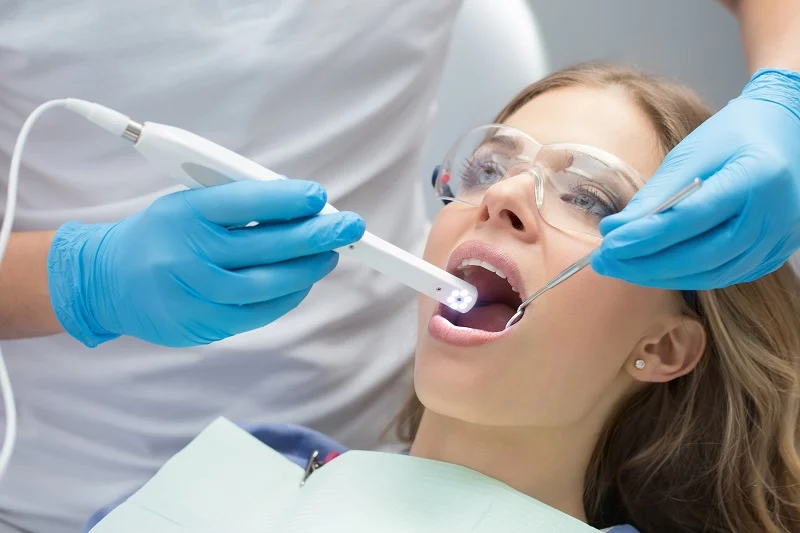
Early Detection Can Make All the Difference
Oral cancer is far easier to treat when it is found early, and many early changes cause no pain at all. At Audubon Dental, we include a careful oral cancer screening in routine dental visits for patients in Spokane, WA, . It takes only a few minutes and gives you peace of mind that any concerning changes in your mouth, throat, or neck are caught as soon as possible.
Book OnlineWhy Oral Cancer Screenings Matter
Nobody wants to hear that they may have oral cancer. It can be a serious disease, and it often goes unnoticed in its earliest stages because the first signs are small, painless, and easy to overlook. Your dentist sees the inside of your mouth more closely and more often than any other health provider, which makes your regular dental visit one of the best opportunities to spot changes early.
When oral cancer is found early, treatment is usually simpler and outcomes are much better. That is why our team treats screening as a standard part of caring for your whole mouth, not an optional extra. It fits naturally into your general dentistry visits, so there is no separate appointment or added hassle.
Signs and Symptoms to Watch For
Oral cancer often shows up as white or red patches or sores inside the mouth. These can appear on the tongue, the gums, the inside of the cheeks, the roof of the mouth, or the floor of the mouth beneath the tongue. Between visits, let us know if you notice any of the following:
- White, red, or speckled patches that do not go away
- A sore or ulcer that has not healed within two weeks
- A lump, thickened area, or rough spot in the mouth or on the lips
- Unexplained bleeding in the mouth
- Difficulty or pain when swallowing or chewing
- Persistent hoarseness or a feeling that something is stuck in your throat
- Numbness in the tongue, lips, or other areas of the mouth
- Swelling in the face, jaw, or neck
Most of these symptoms turn out to have a simple, harmless cause. Still, anything that lingers deserves a professional look, and we are always happy to check.
Who Is at Higher Risk?
Oral cancer can affect anyone, including people with no obvious risk factors. Some factors do raise the risk, including tobacco use of any kind, heavy alcohol use, HPV infection, frequent sun exposure to the lips, a weakened immune system, and a personal history of oral cancer. Risk also tends to increase with age. If any of these apply to you, regular screenings are especially important.
What Happens During Your Screening
An oral cancer screening is quick, painless, and requires no special preparation. Your dentist will:
- Ask about any changes or symptoms you have noticed and review your health history
- Look closely at your lips, gums, cheeks, tongue, the roof and floor of your mouth, and the back of your throat
- Gently feel your jaw, neck, and the tissues of your mouth for lumps or unusual areas
- Note anything that looks different from previous visits
If we find an area that needs a closer look, we will explain what we see, talk through next steps with you, and may recommend a follow-up visit or refer you to a specialist for further evaluation. Finding something unusual does not mean you have cancer, but it does mean we can act early.
Screening as Part of Your Routine Care
We recommend an oral cancer screening at least once a year, usually during your comprehensive exam or regular checkup. Patients with higher risk factors may benefit from more frequent checks. Keeping up with routine visits is one of the simplest ways to protect both your smile and your overall health.
Oral Cancer Screening FAQs
Is an oral cancer screening painful?
No. The screening is a gentle visual exam combined with light pressure on your jaw, neck, and mouth tissues. There are no needles or instruments that cause discomfort, and it takes only a few minutes.
How often should I have an oral cancer screening?
Most adults should be screened at least once a year, typically during a routine checkup. If you use tobacco, drink alcohol heavily, or have other risk factors, your dentist may recommend more frequent screenings.
Do I need a separate appointment for the screening?
Usually not. We include oral cancer screening as part of routine exams, so it is completed during your regular visit without extra scheduling.
What are the early signs of oral cancer?
Early signs can include white or red patches, sores that do not heal within two weeks, lumps or thickened areas, unexplained bleeding, numbness, and difficulty swallowing. Many early changes are painless, which is why professional screenings are so valuable.
What happens if you find something unusual?
We will explain what we found and recommend next steps. That may mean monitoring the area and rechecking it in a couple of weeks, or referring you to a specialist for further testing. An unusual finding is not a diagnosis, and many spots turn out to be harmless.
Can I get oral cancer if I do not smoke?
Yes. Tobacco is a major risk factor, but oral cancer can also be linked to HPV, alcohol use, sun exposure to the lips, and other factors. People with no known risk factors can still develop it, so screenings are recommended for everyone.
Should I tell the dentist about a sore that comes and goes?
Yes. Any sore, patch, or lump that lasts longer than two weeks or keeps coming back is worth mentioning. Call our office so we can take a look rather than waiting for your next routine visit.
Protect Your Health With a Simple Screening
A few minutes at your next dental visit can help catch problems early, when they are easiest to treat. If it has been a while since your last exam, or you have noticed a change in your mouth, call Audubon Dental at (509) 325-4227 or request an appointment online.