
Replace a Missing Tooth From the Root Up
A missing tooth affects more than your smile. It changes how you chew, lets neighboring teeth drift, and slowly weakens the jawbone underneath. At Audubon Dental in Spokane, WA, , we restore the whole tooth, not just the visible part. A titanium implant takes the place of the lost root, and a custom crown sits on top so the result looks, feels and works like the tooth you had before.
Book OnlineHow an Implant Turns Into a Complete Tooth
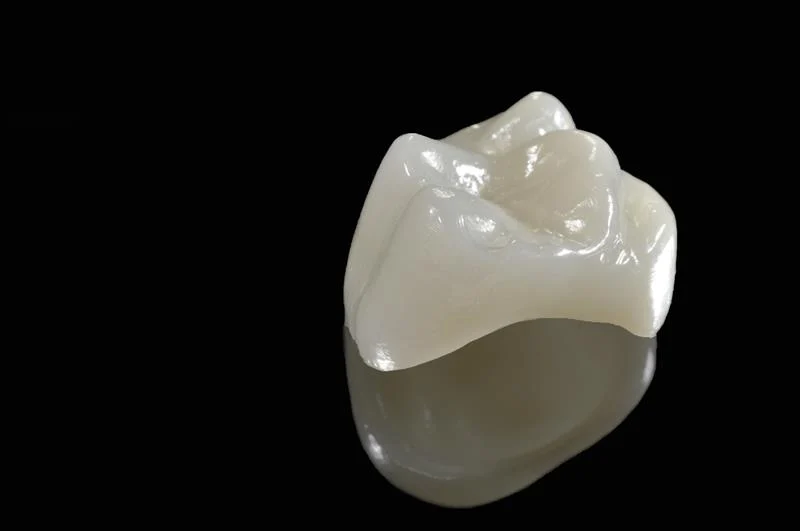
An implant-supported crown is the final step of single-tooth implant treatment. The implant post sits inside the jawbone and fuses with it. A small connector called an abutment rises above the gumline, and the crown attaches to that connector. Because the restoration is anchored in bone, it does not need help from the teeth beside it. This page covers the implant side of treatment: planning, placement and healing. If you want to know more about the crown itself, including materials and shade matching, see our implant-supported crowns page in our crowns section.
Planning Your Implant
Successful implant treatment starts long before surgery. Dr. Chelsea Keck reviews your medical history, examines your gums and checks the bone in the area where the tooth was lost. Detailed imaging shows bone height, bone width and the position of nearby nerves and sinuses. This information lets us choose the right implant size and angle so the finished crown lines up with your bite.
If the bone has thinned since the tooth was removed, you may need a bone graft first. A graft rebuilds the foundation so the implant has enough support to last.
Placement and Healing
Placing the implant is a minor surgical procedure done with local anesthetic, and sedation is available for patients who feel anxious. Afterward, the bone grows around the implant surface in a process called osseointegration. This usually takes a few months. During that time, the implant becomes as firmly rooted as a natural tooth.
Once the implant is stable, we attach the abutment. You can read more about that stage on our abutment and placement page. Then we take precise impressions and fit your permanent crown, checking your bite so everything meets evenly.
Why Choose an Implant Over Other Options
- No reshaping of healthy teeth: A traditional bridge requires filing down the teeth on each side of the gap. An implant stands on its own.
- Protection for your jawbone: Chewing forces travel through the implant into the bone, which helps prevent the shrinkage that follows tooth loss.
- Stable, confident chewing: There is nothing to slip or shift, so you can eat the foods you enjoy.
- Long-term value: With good care, the implant itself can last for decades.
Still weighing your choices? Our comparison of implants vs. bridges walks through the differences.
Who Is a Good Candidate?
Most adults who are missing one tooth and have healthy gums can have an implant. Good candidates have enough jawbone, or are willing to have a graft, and are in generally good health. Smoking, uncontrolled diabetes and active gum disease can slow healing, so we address these factors before treatment. Teenagers usually need to wait until jaw growth is complete.
Keeping Your Implant Healthy
An implant cannot decay, but the gum and bone around it still need care. Brush twice a day, clean between teeth daily and keep up with your regular checkups and cleanings. Ongoing inflammation around an implant can lead to bone loss, so routine visits let us catch any problems early and keep your restoration secure.
Questions About Implant-Supported Crowns
How long does the full implant and crown process take?
Most patients complete treatment in about three to six months. Healing time for the implant to fuse with the bone makes up most of that period. If you need a bone graft first, the timeline is longer.
Does getting a dental implant hurt?
The area is fully numbed during placement, so most patients feel pressure rather than pain. Mild soreness for a few days afterward is common and usually manageable with over-the-counter pain relievers. Sedation is available if you feel nervous.
What if I don’t have enough jawbone for an implant?
Bone often shrinks after a tooth is lost. A bone graft can rebuild the area so it can support an implant. Dr. Keck will check your bone with imaging and let you know whether a graft is needed.
Will I have a gap while my implant heals?
In most cases, no. A temporary tooth can usually be provided so you can smile with confidence while the implant integrates with the bone.
How long do implant-supported crowns last?
The implant can last for decades with good care. The crown may eventually need replacement because of normal wear, and it can be replaced without disturbing the implant.
Can an implant get cavities?
No. The implant and crown cannot decay. However, the gums and bone around the implant can become inflamed if plaque builds up, so daily brushing, flossing and regular dental visits remain important.
Is an implant better than a bridge for one missing tooth?
For many patients, yes. An implant does not require reshaping the neighboring teeth and helps preserve the jawbone. A bridge can still be a good choice in some situations, and we will review both options with you.
Start Your Implant Consultation
Find out whether an implant-supported crown is the right way to replace your missing tooth. Call Audubon Dental at (509) 325-4227 or request an appointment online to meet with Dr. Chelsea Keck.